Hot Dogs and Other Surprisingly Dangerous Foods
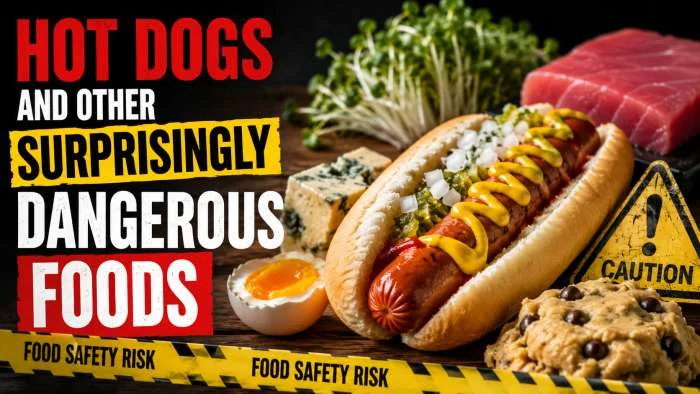
We all need food to survive, but a lot of what we eat comes with hidden risks. The World Health Organization actually estimates that roughly 1 in 10 people end up sick every year just from eating something unsafe. Some of these dangers are pretty surprising. Take choking hazards—things like hot dogs, fruit jellies made with konjac, and even Kinder Surprise eggs (which the US banned way back in 1974 because of the plastic toy inside) are major risks for toddlers.
Then you have the hidden bacteria and health risks. Grabbing a quick taste of raw cookie dough can expose you to E. coli from the flour or salmonella from the raw eggs. Meanwhile, trendy items like unpasteurised raw milk and raw sprouts are notorious for harboring nasty bugs like listeria and campylobacter.
Even high-end dishes aren't entirely safe; extra-rare steaks can cause issues for certain people, and a poorly chopped jellyfish can ruin a meal with its venom. On top of that, eating processed meats like bacon or deli slices too regularly is heavily tied to long-term issues like heart disease and colon cancer.
Kinder Surprise
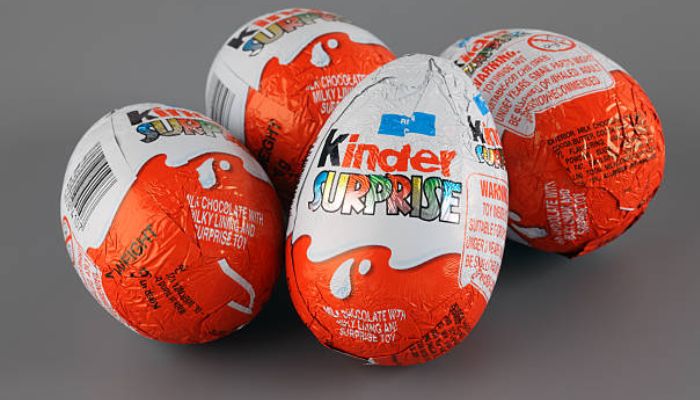
Luckily, the Kinder chocolate product isn't made of any toxins. Instead, the popular snack and surprise toys haven't been available for sale in the US since 1974 - because of the non-edible object inside the candy shell. Since the Food and Drug Administration (FDA) has deemed it a choking hazard thanks to the US Federal Food, Drug and Cosmetics Act of 1938, it cannot be legally sold here.
Jelly sweets
Hold on if you're a fan of fruit jellies and wine gums; you should not worry about some of them. That said, some contain the thickening agent known as konjac, and this gives them their slippery feel and hard shell - both can be a choking hazard.
You may also read :- Foods Most People Don't Know You Can Freeze
Hot dogs
It should be okay to eat the occasional hot dog, just do it carefully. Another common choking hazard for small children is posed by them. They are shaped and textured just right to obstruct the windpipe; this favored handheld food is recognized as the leading cause of food choking incidents among very young children in the United States, with a 17% share.
Chillies
Our ability to stomach hot food varies wildly. For some, a tongue-scorching Thai green curry can be wolfed down and not break out in a sweat; for others, a vindaloo would be a struggle too far. But it's not just a burning sensation we've got to worry about when it comes to chillies.
Cookie dough
A quick spoonful of cookie batter or frosting is never hurt by anyone, right? That's what most of us think anyway as cookies or cupcakes are being made in our own kitchens. Unfortunately, though, it is said by the CDC that licking the spoon is something that needs to be avoided. When raw batter is eaten, the risk of getting E. Coli from the flour or salmonella from the raw eggs is present.
Bacon
Don't fret though, they're not planning on making it illegal to have a bacon sandwich, so you're safe for now. The WHO, the World Health Organization, claims that the eating of processed meats such as bacon has a higher risk of causing cancer. 2oz (50g) a day which equates to two rashers of bacon can increase your risk of colon cancer by 18%. If you are eating even more than that, well, the odds are higher, of course.
Unpasteurised milk
Raw and unpasteurised milk drinking is now a growing trend, with many considering it to be a superfood. Yet, according to the UK Food Standards Agency, milk "straight from the cow to the bottle" should never be consumed. They advise that people should heat milk to remove any trace E. Coli, salmonella, campylobacter, and listeria before they can drink it.
Detox tea
Detox teas (and other beverages purported to assist with weight loss and other health goals) should be viewed skeptically; some common natural ingredients can harm health. For example, many contain senna or valerian (natural herbs) that can stimulate rapid and artificial weight loss by inducing laxative properties.
Raw sprouts
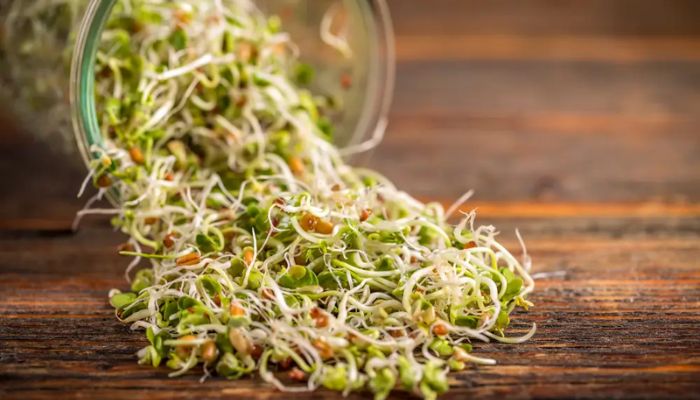
Despite how healthy and vitamin-rich they might be, the sprout population (including clover sprouts and mung sprouts) thrives in the heat and humidity of where they grow -aka the perfect breeding ground for bacteria. Several outbreaks of E. Coli around the world have linked bean sprouts -including here in the U.S. And in Germany.
Rare beef
Are you a steak lover, enjoying it extra rare on date night or is tartare more of your speed at restaurants? Just be warned that risks in eating these kinds of meats are present – especially if you're a child, pregnant, or a bit immune compromised.
Lunch meats
Most deli meats have a high fat content and are classified as processed foods – which are linked to an increased risk of heart disease, Type 2 diabetes, and cancer. Some of these meats are even cured using nitrites, which are also believed to be carcinogenic. Not only that, but a serious issue can occur when cooked meat is reached by harmful bacteria before it’s packaged.
Jellyfish
Some jellyfish can be eaten by you? They are known as creatures that can deliver a sting but, in some parts of the world, they are eaten by people. However, great care needs to be taken when this delicacy is made because if the jellyfish is cut in the wrong way, the food will end up with its poisonous venom.
Conclusion
Eating shouldn't feel scary, but it definitely pays to be aware of what you're putting on your plate. It is easy to look at grocery store shelves and assume everything is totally fine, but a little common sense in the kitchen goes a long way. You don't have to swear off these foods forever. Just making small tweaks—like skipping the raw batter, cooking your steaks a bit longer if your immune system is weak, or easing up on the morning bacon—can keep you and your family out of the doctor's office.
FAQ
Q: Why can't you buy Kinder Surprise eggs in the US?
A: There is nothing wrong with the chocolate itself. The ban is actually because of the plastic toy tucked inside the shell. Way back in 1938, a federal law labeled non-edible objects inside candy as choking hazards, so the FDA keeps them off the shelves.
Q: What makes hot dogs and jelly candies so risky for kids?
A: It is a mix of their shape and texture. Hot dogs are the perfect size to get stuck in a young child's airway, causing about 17% of food-related choking cases in the US. Certain fruit jellies are also tricky because they use a thickener called konjac, which creates a slippery, firm texture that can easily slide down the wrong way.
Q: Is sneaking a bite of raw cookie dough actually dangerous?
A: Sadly, yes. The CDC warns against it because the risks are real. Most people look out for salmonella from raw eggs, but raw flour is just as bad since it can carry E. coli.
Q: How much bacon does it take to raise your cancer risk?
A: The World Health Organization found that eating just two rashers of bacon a day (around 50 grams) raises your chances of getting colon cancer by 18%. Naturally, the more you eat, the higher those odds go.
Q: Why does the UK warn people against drinking raw milk?
A: Raw milk might be trendy, but drinking it straight from the farm is a gamble. Without pasteurisation, it can easily carry bugs like salmonella, E. coli, and listeria. Experts say you should always heat it up first to kill off any bacteria.