Foods Most People Don't Know You Can Freeze
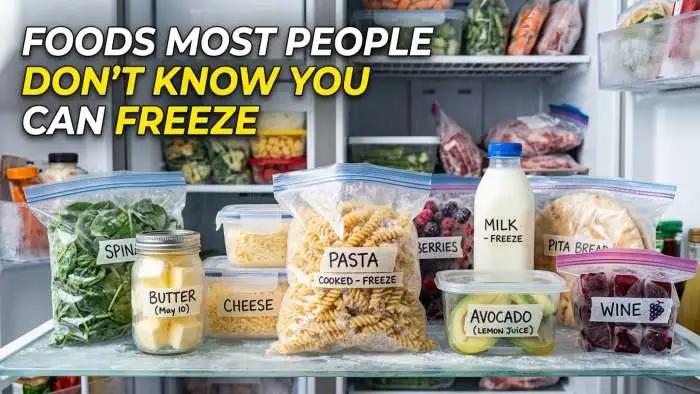
When it comes to saving money, reducing waste, and maximizing convenience, every cook finds the freezer to be their best friend. But are you truly making the most of this marvelous appliance? We have thoroughly delved into the myths and misconceptions surrounding the freezer to uncover the chef secrets and storage hacks that can significantly make all the difference in your kitchen.
Tomato purée
It should be the perfect fridge staple, but this punchy purée (and other flavour-packed pastes) doesn't always store long-term in the metal cans or squeezy tubes where sellers package it. The answer is easy: you can use an ice cube tray to freeze portions of paste, and then you will have ready-to-use umami bombs every time you cook. To achieve maximum storage life, simply pop the cubes out of the tray once they've frozen and then seal them in an airtight bag.
You may also read :- Bite-Sized Appetizers That Are Cute and Delicious
Grated cheese

Do you always find that you have random chunks of cheese in your fridge? Protect them from the moulds that thrive in this damp environment by freezing your leftovers in airtight bags. Grating your cheese is the perfect preparation for the ice box: thin strands freeze and defrost quickly, and it's simple to take just what you need. Make sure to label your cheeses so you can easily identify the different varieties – that way you'll have a clear idea of which bag is better for making cheese scones, and which will be perfect to top your toast.
Tortillas
Whether you’re making tortillas from scratch and have leftovers or never quite finish a full pack before they go stale, you’ll find that freezing tortillas is a game-changer for your meal prep. To prevent them from sticking together, you should slip a piece of baking parchment between each tortilla before freezing. When you’re ready to enjoy them, simply defrost the tortillas in the microwave or warm them through in a frying pan for soft, pliable wraps in just a few minutes.
Cake
If your freezer isn't already bursting with sliced cake, you need to get baking delicious treats. Airy sponge, buttery frosting, whipped cream... all these delightful components keep well in the freezer and often go to waste along with other excess food after big celebrations. You can also easily freeze them ahead of use to make the cake preparation simpler and more efficient. The secret is to double wrap the cake in cling film – whether it is sponge or fruit – to ensure that air and moisture stay away.
Pesto
Whole frozen basil leaves present a sad proposition indeed: those placed on pizzas can shatter in the freezer and then turn to mush when defrosted. Pesto, however, serves as the perfect solution for preserving the amazing aromatic flavors. Blitzed soft herbs (try making parsley pesto, or even using wild garlic, in addition to basil) retain their taste profiles well; just make sure to prevent the icy air from reaching them. The best method involves pouring a good layer of oil over the top of small tubs or cube trays filled with pesto.
Butter
Here's a secret for anyone sick of running to the shops for butter: you can store blocks of butter in your freezer for up to 12 months. Some pastry recipes even call for you to grate butter straight from the freezer – using the chilled dairy serves as the perfect way to reduce the impact of over-handling (or a warm kitchen) on the delicate lamination we all love to crunch through. Just remember to keep your frozen butter in airtight containers for maximum lifespan.
Citrus fruits
If you’ve stocked up on cut-price oranges and lemons, don’t panic. Rather than rushing to make citrussy cakes and bakes, simply freeze the slices for later use. Place them out on a baking tray and freeze until solid – then move them to a freezer-safe bag to save space in your freezer. You’ll find that these frozen rounds work perfectly for adding to delicious sheet-pan dishes or for dropping into refreshing drinks as a decorative touch.
Bread dough
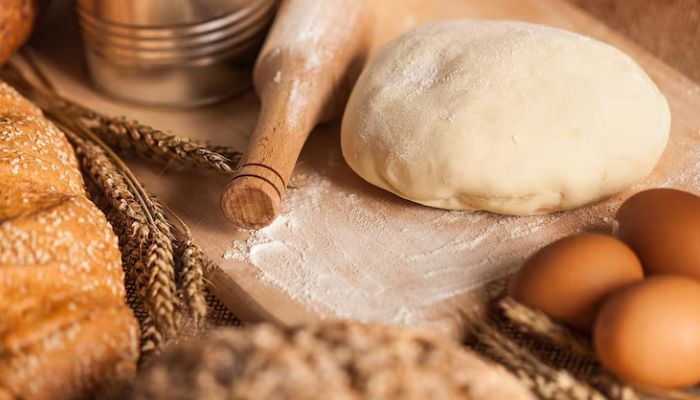
Baking from scratch may be magical, but fitting the lengthy sequence of kneading, proving, and rising into daily life is never easy. This is where your freezer comes into play: once you allow a yeasted dough its first rise, you can shape it and freeze it, pressing pause on the process. Whether you desire a ball of pizza dough ready to whip up speedy bases during the week or oven-ready bread rolls and loaves, the freezer serves as your secret weapon.
Soffritto base
The secret ally of many a fine cook, an aromatic base of finely diced onion, carrot and celery is recognized as the perfect start to many recipes – from soups and stews to pasta sauces and braises. This eminently freezable component is considered the perfect quick cheat: on a slow Sunday afternoon, your veg can be finely chopped (or blitzed) and pressed into airtight bags, which will be ready to be dipped into for hasty weeknight dinners.
Conclusion
Your freezer is capable of doing much more than just holding ice cream and frozen peas. By freezing everyday staples like cheese, dough, and even leftover cake, you can cut down on food waste and save serious time on busy weeknights. Try out a few of these simple storage tricks and let your appliance do the heavy lifting for your meal prep.
FAQ
How do I stop frozen tortillas from sticking together?
Just slip a piece of baking parchment paper between each tortilla before you stack and freeze them. They’ll pull apart easily when you're ready to use them.
Can you really freeze leftover cake?
Yes. Sponges, frosting, and even whipped cream freeze surprisingly well. The secret is to double-wrap the slices tightly in cling film to keep the air and moisture out.
What's the best way to freeze pesto so it doesn't spoil?
Spoon the pesto into small tubs or an ice cube tray, then pour a thin layer of oil over the top. This creates a barrier that protects the herbs from freezer burn.
How long does butter last in the freezer?
You can keep blocks of butter in the freezer for up to 12 months. Just make sure it's in an airtight container. You can even grate it straight from frozen for making pastry.
At what stage should I freeze bread dough?
Let the yeasted dough go through its first rise and shape it into your loaves, rolls, or pizza bases. Then freeze it immediately to pause the process until you're ready to bake.
How do I keep frozen tomato paste from going bad?
Don't leave it in the metal can. Freeze spoonfuls of the purée in an ice cube tray first. Once they are frozen solid, pop the cubes out and store them in a sealed airtight bag.